
What is Food Grade Stainless Steel? A Comprehensive Guide to SS304
When it comes to food preparation, storage, and processing, choosing the right materials is more than just a matter of durability—it’s about safety, hygiene, and compliance with health standards. That’s where food grade stainless steel comes in. But what is food grade stainless steel, and why is SS304 the most widely used type in kitchens and commercial food facilities worldwide?
This comprehensive guide breaks down what qualifies stainless steel as “food grade,” explores the properties of 304 stainless steel, and compares it with other grades so you can make the best choice for your project.
What is Food Grade Stainless Steel?
Food grade stainless steel refers to stainless alloys that are safe for direct contact with food and beverages. To qualify, they must:
- Resist corrosion and rust, even after repeated cleaning.
- Avoid leaching harmful metals into food or liquids.
- Maintain strength under extreme temperatures.
- Be easy to sanitize for long-term food safety.
Not all stainless steels meet these requirements. That’s why knowing which grade to use—especially for commercial kitchens, breweries, and food processing plants—is critical.
(For a deeper dive, see our post Is All Stainless Steel Food Grade?)
Why SS304 Stands Out in Food Applications
Here are a few reasons why 304 stainless steel is considered the gold standard:
- Corrosion Resistance: Protects against acidic foods like tomatoes, citrus, and vinegar.
- Hygienic Properties: Non-porous surface makes it easy to clean and sanitize.
- Versatility: Suitable for everything from cutlery and cookware to industrial brewing tanks.
- Cost-Effectiveness: Offers premium benefits at a reasonable price point.
Real-World Examples of SS304 in Action
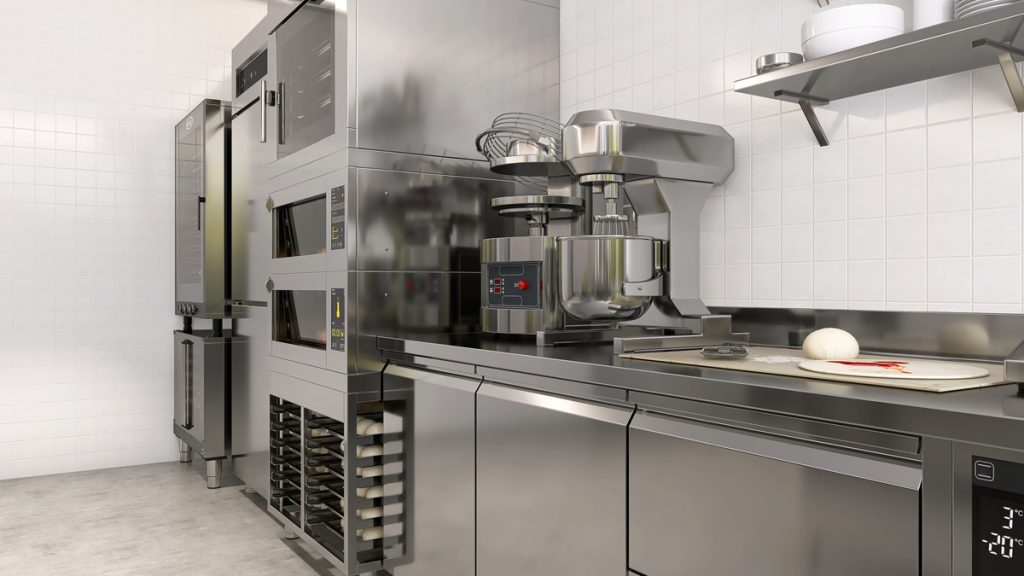
- Restaurant Kitchens: Countertops, sinks, and prep tables rely on SS304 for cleanliness and durability.
- Beverage Industry: Breweries use 304 tanks because they resist flavor contamination.
- Food Storage: Containers and shelving units made from SS304 ensure food stays safe and fresh.
How SS304 Compares to Other Stainless Steels
While SS304 is a go-to option, other grades are used depending on the application:
- 316 Stainless Steel: Contains added molybdenum for even higher corrosion resistance—ideal for marine or salt-heavy environments.
- 430 Stainless Steel: Less expensive and magnetic, but with lower corrosion resistance; often used in decorative applications.
Compared to these, SS304 offers the best mix of affordability, strength, and corrosion resistance, making it the most common choice for kitchens and processing plants.
(For guidance on choosing the right material, check out Choosing the Best Food Grade Stainless Steel)
Practical Tips for Choosing Stainless Steel
When selecting stainless steel for food applications, consider:
- Environment: Will the steel be exposed to saltwater, acids, or constant moisture?
- Budget: Higher grades like 316 may be necessary in extreme environments but come at a higher cost.
- Application: SS304 is versatile for most uses, while 316 may be better for specialized conditions.
Why SS304 is the Trusted Choice for Food Safety
So, what is food grade stainless steel? It’s a material engineered for safety, sanitation, and durability in food environments—and SS304 stainless steel is the industry standard. Whether you’re outfitting a restaurant kitchen, setting up a brewery, or sourcing materials for food storage, SS304 offers an unbeatable balance of cost and performance.
At Atlantic Stainless, we stock a wide variety of stainless steel grades, including SS304, to meet the demands of the food industry and beyond. Contact us today to find the perfect stainless steel solution for your project.
Frequently Asked Questions About SS304 Stainless Steel
What is the difference between 304 and 316 stainless steel?
The main difference is that 316 stainless steel contains molybdenum, which provides extra resistance against chlorides and harsh chemicals. While 304 stainless steel is ideal for general food applications, 316 is often used in marine environments or when food will be exposed to high salt or acidic conditions.
Where is 304 stainless steel commonly used in food applications?
304 stainless steel is found in restaurant prep tables, commercial sinks, cutlery, brewing tanks, food storage containers, and industrial processing equipment. Its balance of durability and hygiene makes it the industry standard.
How do I choose the best stainless steel for food projects?
The choice depends on your environment, budget, and intended use. For most kitchens and food storage, 304 stainless steel is the best option. If your project involves constant exposure to saltwater, chemicals, or acids, 316 may be the better investment.
Check Out Our Latest Posts



Last updated on October 3rd, 2025 at 02:52 pm