Unlocking the Secrets of Heat Treatable Stainless Steel
Understanding Heat Treatable Stainless Steel: Why It Matters
Last updated on May 28th, 2026 at 01:22 pm
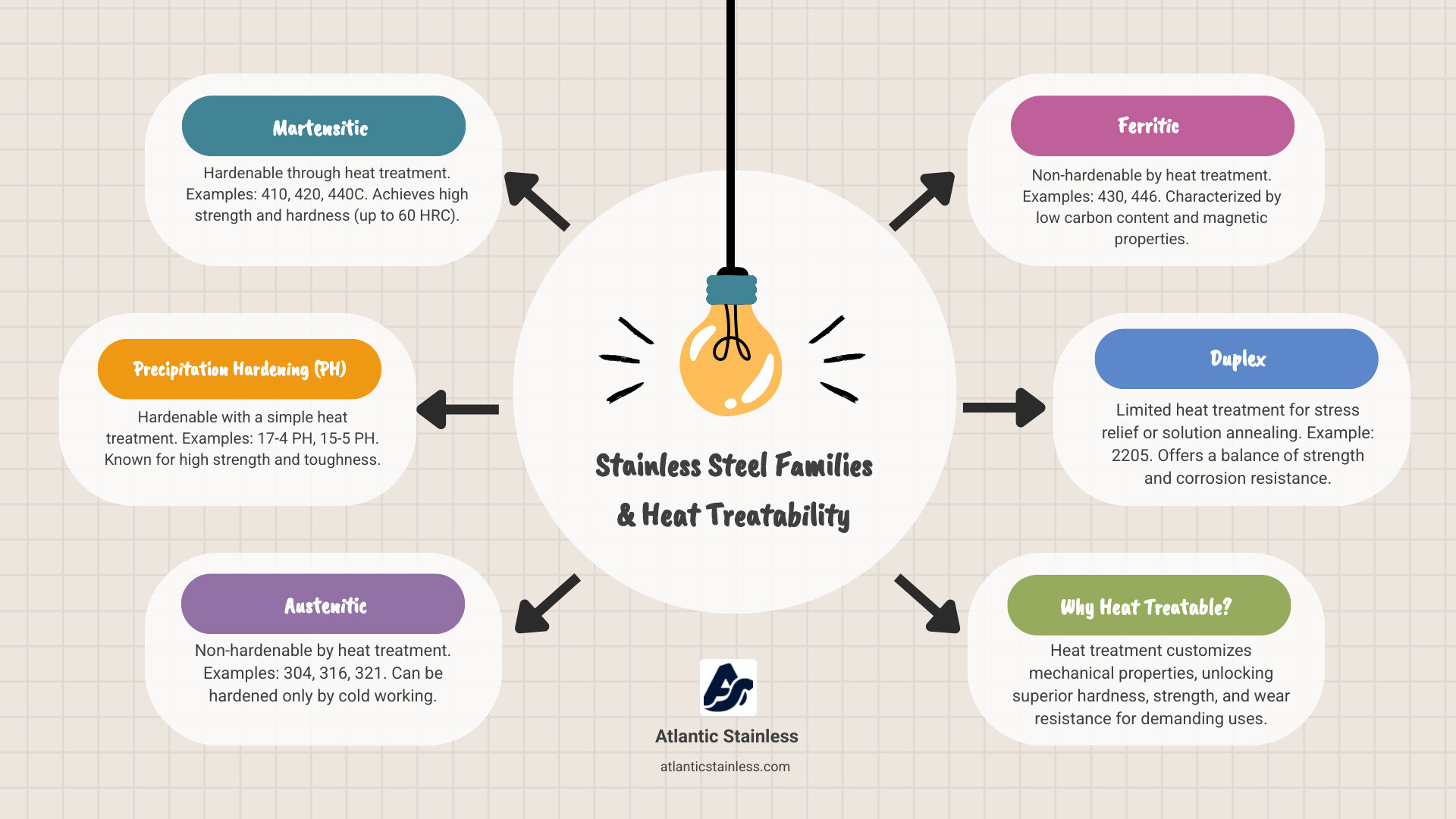
Heat treatable stainless steel refers to specific grades of stainless steel that can be hardened and strengthened through controlled heating and cooling processes. Unlike standard stainless steels that maintain relatively fixed properties, heat treatable grades can be transformed to achieve a wide range of hardness, strength, and toughness levels—making them essential for demanding applications in aerospace, manufacturing, and industrial equipment.
Key Facts About Heat Treatable Stainless Steel:
- Primary Types: Martensitic stainless steels (400 series like 410, 420, 440C) and Precipitation Hardening (PH) steels (17-4 PH, 15-5 PH)
- Maximum Hardness: Up to 60 HRC for martensitic grades
- Non-Hardenable Types: Austenitic (304, 316) and ferritic grades cannot be hardened by heat treatment
- Common Processes: Hardening, tempering, annealing, and stress relieving
- Key Benefit: Ability to customize mechanical properties for specific applications
Many engineers ask themselves: “How do I increase the hardness of my stainless steel component?” The answer lies in understanding which stainless steel families respond to heat treatment and why. Created in 1913, stainless steel has evolved into multiple families with vastly different heat treatment capabilities.
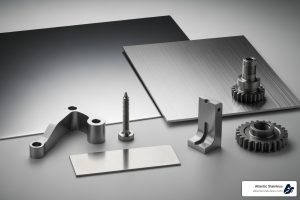
The ability to heat treat stainless steel opens up possibilities that standard grades simply cannot achieve. While austenitic stainless steels like 304 are excellent for corrosion resistance, they remain relatively soft. When you need a component that combines stainless steel’s corrosion resistance with high hardness—think pump shafts, valves, gears, or turbine blades—heat treatable grades become essential.
The secret lies in the steel’s microstructure. Martensitic stainless steels can be heat treated to obtain a wide range of mechanical properties because their crystalline structure transforms when heated and cooled properly. Precipitation hardening steels take a different approach, using a simple one-step heat treatment to achieve strength levels exceeding 1000 HV while maintaining excellent corrosion resistance.
Understanding heat treatability isn’t just about making steel harder—it’s about open uping the right combination of properties for your specific application. Whether you need maximum wear resistance, high strength at liftd temperatures, or a balance of toughness and hardness, the heat treatment process is your key to achieving it.
The Science Behind Heat Treatability: Microstructure and Alloying
At the heart of heat treatable stainless steel lies a fascinating interplay of alloying elements and their influence on the material’s internal structure. It’s like a microscopic dance where atoms rearrange themselves under the influence of heat, leading to profound changes in the metal’s macroscopic properties. To truly appreciate heat treatability, we must dig into the roles of these key players and the resulting microstructures. You can always learn more about stainless steel grades by visiting our comprehensive guide.
How Alloying Elements Dictate Heat Treatment Response
The specific blend of elements in stainless steel determines its fundamental behavior during heat treatment:
- Chromium’s Role: Chromium is the star of the show for all stainless steels, providing their defining characteristic: corrosion resistance. We know that a chromium content over 10.5% is essential for rust-proofing. In heat treatable grades, chromium also contributes to hardenability by influencing the change temperatures.
- Carbon Content: The Key to Hardness: Carbon is the primary hardening agent in martensitic stainless steels. Martensitic grades, for instance, can contain up to 1% carbon. During heat treatment, carbon atoms dissolve into the austenite structure and then get “trapped” in the martensite lattice during rapid cooling, creating a hard and strong material. The higher the carbon content, generally, the higher the achievable hardness.
- Nickel’s Influence: The Austenite Stabilizer: Nickel plays a crucial role in austenitic stainless steels (like the 300 series). It’s an austenite stabilizer, meaning it helps maintain the austenitic crystal structure even at room temperature. This is why austenitic grades are generally nonmagnetic and, crucially, not hardenable by traditional heat treatment methods. Nickel is more noble than iron and contributes to corrosion resistance.
- Molybdenum for Strength and Corrosion: Molybdenum is often added to improve both corrosion resistance and high-temperature strength. In precipitation hardening stainless steels, molybdenum can be a key alloying element that contributes to the formation of precipitates during aging, leading to their exceptional strength.
- The Balance of Elements: It’s not just about individual elements, but their synergistic effect. The precise balance of chromium, carbon, nickel, and other elements like manganese, silicon, and copper dictates whether a stainless steel will form a hardenable martensitic structure, a stable austenitic structure, or a non-hardenable ferritic structure. This delicate balance is what makes each grade unique in its response to heat.
Understanding Microstructures: Austenite, Martensite, and Ferrite
The internal arrangement of atoms in a metal is called its microstructure, and it’s what dictates how the metal behaves. Stainless steels primarily exhibit three types of microstructures at room temperature, each with distinct properties and heat treatability:
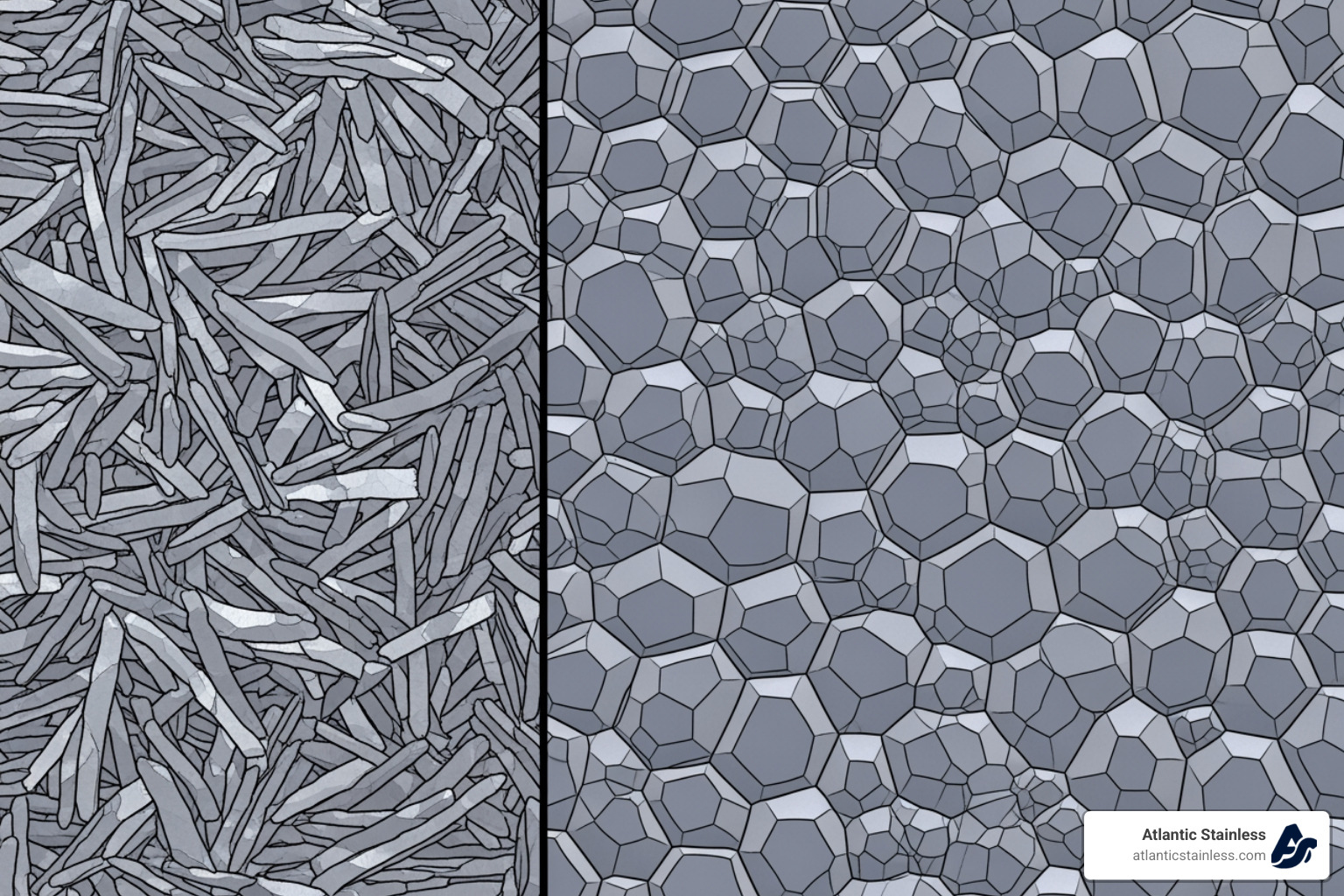
- Austenitic (Face-Centered Cubic – FCC): This structure is characteristic of the 300 series stainless steels (e.g., 304, 316). It’s typically nonmagnetic, ductile, and tough. The FCC structure is stable and does not undergo a phase change when rapidly cooled, which is why these steels cannot be hardened by traditional heat treatment. They can, however, be hardened significantly through cold working.
- Martensitic (Body-Centered Tetragonal – BCT): This is the microstructure we aim for in many heat treatable stainless steel grades, particularly the 400 series. Formed by rapidly quenching steel from its austenitic phase, martensite is a supersaturated solid solution of carbon in iron. Its distorted BCT lattice is very hard and brittle. Tempering is then used to reduce this brittleness and increase toughness.
- Ferritic (Body-Centered Cubic – BCC): Found in grades like 409 and 430, the ferritic structure is magnetic and non-hardenable by heat treatment. These steels have lower carbon content and maintain their BCC structure across a wide temperature range, preventing the formation of martensite.
- How Quenching “Traps” a Structure: The magic of hardening martensitic stainless steel lies in quenching. When heated to the austenitizing temperature, carbon dissolves into the austenite. Rapid cooling (quenching) then “traps” these carbon atoms in the iron lattice, preventing them from forming softer phases and instead creating the hard martensitic structure.
Which Stainless Steels Can Be Heat Treated?
Not all stainless steels are created equal when it comes to heat treatment. The ability to harden a stainless steel primarily depends on its chemical composition, particularly its carbon content and the balance of other alloying elements. This leads us to categorize stainless steels into families, each with distinct heat treatability. Let’s explore the main types and their responses to heat treatment. For a broader comparison, check out our article on comparing popular steel grades.
| Family | Hardenable by Heat Treat? | Hardening Method | Example Grades | Typical Hardness (HRC) (Post-treatment) |
|---|---|---|---|---|
| Martensitic | Yes | Quenching & Tempering | 410, 420, 440C, 416, 431 | Up to 60 HRC |
| Precipitation Hardening | Yes | Age Hardening | 17-4 PH, 15-5 PH, 17-7 PH | 30-48 HRC (or >1000 HV) |
| Austenitic | No | Cold Working (Work Hardening) | 304, 316, 321, 347 | Not heat-treated for hardening |
| Ferritic | No | N/A | 409, 430, 446 | Not heat-treated for hardening |
| Duplex | Limited | N/A (Annealed) | 2205, 2507 | Not heat-treated for hardening |
Hardenable Grades: Martensitic and Precipitation Hardening (PH) Steels
These are the true heat treatable stainless steel champions, offering a fantastic range of mechanical properties through controlled thermal processing.
- Martensitic Stainless Steels: These steels are characterized by their high carbon content (up to 1%) and chromium content (typically 11.5-18%). This composition allows them to form a martensitic microstructure when rapidly cooled from a high temperature. We’re talking about our 400 Series stainless steels like:
- Grade 410: A general-purpose chromium stainless steel, commonly used for fasteners and valves.
- Grade 416: Known as the first free-machining stainless steel, 416 HT can be heat treated to specific hardness and is ideal for parts requiring extensive machining, like pump shafts and bolts.
- Grade 420: Can be heat treated to a maximum hardness of approximately 500 Brinell. Its maximum corrosion resistance is achieved only in the fully hardened condition.
- Grade 431: A nickel-bearing martensitic stainless steel with superior corrosion resistance compared to other martensitic types, used in turbine components and aircraft fittings.
- Grade 440C: This grade can be heat treated to the highest hardness of all stainless steels, often reaching levels of 60 HRC. It’s perfect for applications like surgical instruments and ball bearings. Martensitic stainless steels can be heat treated to obtain a wide range of mechanical properties, making them incredibly versatile.
- Precipitation Hardening (PH) Stainless Steels: These alloys offer an exceptional combination of high strength, good toughness, and moderate corrosion resistance. They achieve their strength through a unique heat treatment process called “age hardening” where specific alloying elements (like copper, aluminum, titanium, or molybdenum) precipitate out of the solid solution as fine particles, strengthening the matrix.
- 17-4 PH Stainless Steel (UNS S17400): This is a chromium-nickel-copper PH stainless steel renowned for its high strength and moderate corrosion resistance. It requires a simple, one-step heat treatment process conducted at temperatures ranging from 900°F (482°C) to 1150°F (621°C). Its corrosion resistance is comparable to Type 304 stainless steel in most media. We also offer 17-7 PH Stainless Steel and 15-5 PH Stainless Steel.
- PH stainless steels can be treated to a very high hardness exceeding 1000 HV. They are subdivided into martensitic, semi-austenitic, and fully austenitic PH grades, each with its own specific heat treatment pathway. For a deeper dive, explore precipitation hardening stainless steel.
Non-Hardenable Grades: Austenitic and Ferritic Steels
While incredibly valuable for their corrosion resistance and other properties, these stainless steel families do not respond to traditional heat treatment for hardening.
- Austenitic Stainless Steels: These are the most common stainless steels, including our popular 300 Series stainless steels like Grades 304 and 316. They possess a stable austenitic microstructure at room temperature due to their high nickel content. This structure is ductile, nonmagnetic (in the annealed state), and offers excellent corrosion resistance.
- Can 304 stainless steel be heat treated? Yes, it can be annealed, but it cannot be hardened by traditional heat treatment methods like quenching and tempering. The austenitic structure simply doesn’t transform in a way that allows for this type of hardening.
- Hardening via Cold Working: If you need to increase the hardness and strength of austenitic stainless steels, the primary method is cold working (also known as work hardening). This involves plastic deformation at temperatures below its recrystallization temperature, which increases strength but reduces ductility.
- Ferritic Stainless Steels: Grades like 409, 430, and 446 fall into this category. They have a body-centered cubic (BCC) structure, are magnetic, and contain lower carbon content than martensitic steels. Ferritic stainless steels are non-hardenable by heat treatment. Their properties are typically altered through cold working or annealing.
A Guide to Heat Treatable Stainless Steel Processes
Heat treatment is a precise science, involving carefully controlled heating and cooling cycles to achieve desired metallurgical changes. For heat treatable stainless steel, these processes are vital for open uping their full potential.

The primary goals of heat treating stainless steel include:
- Hardening: Increasing the material’s resistance to indentation and wear.
- Tempering: Reducing the brittleness of hardened steel while increasing its toughness.
- Annealing: Softening the metal, improving ductility, and relieving internal stresses.
- Stress Relieving: Reducing residual stresses that can lead to distortion or cracking.
Hardening and Tempering: The Path to High Strength
This two-step process is the cornerstone of achieving high strength in martensitic stainless steels.
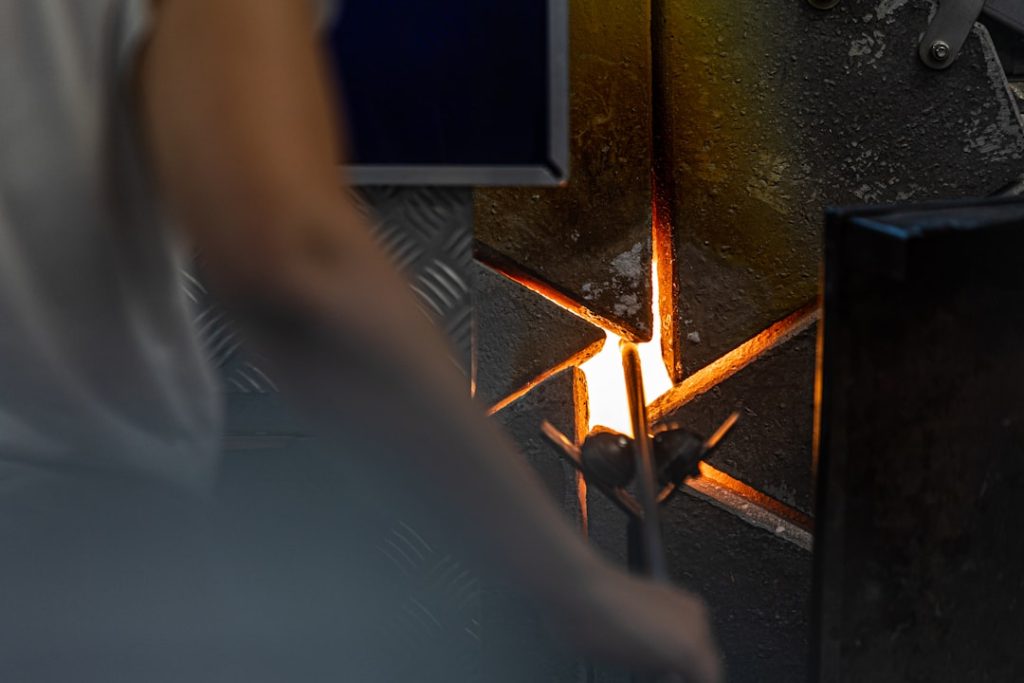
- Austenitizing: The first step involves heating the stainless steel to its austenitizing temperature range. This is where the steel transforms into an austenitic microstructure, allowing carbon to dissolve into the solid solution. For martensitic stainless steels, this range typically falls between 1750°F (954°C) and 1950°F (1066°C). Soaking times are crucial and depend on section thickness and prior material condition. For instance, for sections up to 1/2 inch, 30-60 minutes may be sufficient, with additional time for thicker sections.
- Quenching: Immediately following austenitizing, the steel is rapidly cooled, or quenched. This quick cooling prevents the carbon atoms from diffusing out of the solution, forcing the formation of the hard, brittle martensitic structure.
- Quenching Mediums: Common mediums include oil or air. Oil quenching is often preferred for more rapid cooling and higher hardness, while air cooling may be necessary for larger or complex sections to minimize distortion and cracking.
- Tempering: In its as-quenched state, martensitic stainless steel is very hard but also quite brittle. Tempering is a subsequent lower-temperature heat treatment designed to reduce this brittleness and increase toughness, while still retaining a significant portion of the hardness. Tempering temperatures for martensitic stainless steels typically range from 480°C (900°F) to 750°C (1380°F), depending on the specific grade and desired final properties. It’s a delicate balance: lower tempering temperatures yield higher hardness but less toughness, and vice-versa. For a deeper understanding, review the heat treatment methods for martensitic steels.
Annealing: Restoring Softness and Ductility
Annealing is a heat treatment process primarily used to soften the material, improve its ductility, and relieve internal stresses that might have accumulated during manufacturing processes like cold working or machining.
- Purpose: Annealing makes the metal easier to form, machine, and weld. It also refines the grain structure, which can improve properties like toughness and stress-corrosion resistance.
- Process: Stainless steel is heated to a specific temperature range, typically between 1550°F (843°C) and 2050°F (1121°C), and then held at that temperature for a period.
- Cooling Methods: For austenitic stainless steels like 304, rapid cooling (often water quenching) after annealing is crucial to prevent sensitization. For ferritic and martensitic grades, air cooling or even slow furnace cooling might be employed for subcritical annealing.
Stress Relieving: Ensuring Stability and Performance
Stress relieving is a heat treatment designed to reduce residual internal stresses within a component without significantly altering its mechanical properties or microstructure.
- When to Apply: It’s frequently applied to stainless steel components:
- Post-Welding: Welding introduces localized heating and cooling, leading to significant residual stresses. Stress relieving after welding is critical for Class A and Class B steels, and should be done as soon as possible.
- Post-Machining: Heavy machining can also induce stresses, which, if left untreated, could cause distortion or cracking in service.
- Process and Temperatures: Stress relieving involves heating the component to a sub-critical temperature (typically below the tempering temperature for martensitic steels, or below the sensitization range for austenitics), holding it for a period, and then slowly cooling. For example, a stress-relieving temperature might be 1000°F for 2 hours. This process helps prevent distortion and minimizes the risk of stress corrosion cracking in susceptible environments. The NASA process specification for heat treatment provides detailed requirements for this critical step.
Advanced Considerations and Potential Issues
While heat treatment offers incredible benefits for heat treatable stainless steel, it also comes with its own set of complexities and potential pitfalls. Understanding these advanced considerations and potential issues is crucial for successful processing and optimal material performance.
Surface Hardening: When the Core Needs to Stay Tough
Sometimes, we need a component that has a hard, wear-resistant surface but retains a tough, ductile core. This is where surface hardening processes like nitriding and nitrocarburizing shine, particularly for grades that don’t traditionally harden through conventional heat treatment, like austenitic stainless steels.
- Nitriding and Nitrocarburizing: These thermochemical surface engineering methods introduce nitrogen (and sometimes carbon) into the surface of the stainless steel. This creates a very hard case, significantly improving wear resistance and fatigue life.
- Hardening Austenitic Steels: Nitriding is a primary method for increasing the surface hardness of austenitic stainless steels, which are not hardenable through traditional quenching and tempering. Nitriding can be carried out for austenitic SS in a very broad temperature range from 350 to 800°C (662-1225°F).
- Expanded Austenite Layer (S-phase): Low-temperature surface hardening (below 450°C) of austenitic stainless steels can form an “expanded austenite” layer (also known as S-phase or M-phase). This layer can have hardness above 1000 HV and, importantly, can significantly improve both hardness and corrosion resistance.
- Impact on Other Grades: Nitriding is also a good candidate for precipitation-hardenable steels, which can be treated to a very high hardness exceeding 1000 HV. For these, the nitriding temperature must be at least 25°C lower than the aging temperature to prevent dimensional changes and core hardness reduction. Duplex steels can also benefit from nitrocarburizing to improve both corrosion resistance and surface hardness.
The Impact of Heat Treatment on Corrosion Resistance
Heat treatment isn’t just about mechanical properties; it also profoundly impacts corrosion resistance, sometimes for the worse if not carefully controlled.
- Sensitization: This is a critical concern, especially for unstabilized austenitic stainless steels (like 304) when exposed to temperatures between approximately 425°C (797°F) and 860°C (1580°F), or more broadly, 800°F (427°C) and 1500°F (816°C). In this “danger zone,” chromium carbides precipitate at the grain boundaries. This depletes the adjacent areas of chromium, making them susceptible to intergranular corrosion.
- Reduced Corrosion Resistance: Sensitization can drastically reduce the corrosion resistance of stainless steel, making it vulnerable in environments where it would normally perform well.
- Prevention: To avoid sensitization, we rely on:
- Stabilized Grades: Grades like 321 (stabilized with titanium) and 347 (stabilized with niobium/columbium) are designed to prevent chromium carbide precipitation by forming more stable carbides with these elements.
- Low Carbon Grades: Grades like 304L and 316L have very low carbon content, which minimizes the amount of carbon available to form chromium carbides, reducing the risk of sensitization, particularly during welding.
Common Defects and How to Avoid Them
Even with the best intentions, heat treatment can go awry, leading to various defects if not properly executed.
- Cracking: This can occur during quenching due to excessive thermal stresses, especially in complex geometries or with improper cooling rates. High alloy content steels, like martensitic stainless steels, are particularly susceptible.
- Distortion/Warping: Uneven heating or cooling, or improper part support in the furnace, can lead to permanent changes in component shape.
- Decarburization: The loss of carbon from the surface of the steel during heating, particularly in oxidizing atmospheres. This results in a softer surface layer, which can compromise the component’s intended performance. A minimum of 0.020″ removal from scaled or decarburized rough machined surfaces after heat treatment is often required.
- Improper Hardness: This can be due to incorrect austenitizing temperatures, insufficient quenching, or improper tempering cycles.
- Scale and Heat Tint: These are oxide layers that form on the surface during high-temperature exposure. Scale is a heavy oxide layer, while heat tint is a thin, often colorful, oxide layer. While not always detrimental to function, they can affect appearance and may need to be removed through processes like pickling or electropolishing.
Prevention Strategies:
- Proper Temperature Control: Accurate furnace calibration and uniform heating are paramount.
- Correct Quenching Methods: Selecting the appropriate quenching medium and agitation for the specific grade and part geometry is critical.
- Controlled Atmospheres: Using inert or vacuum atmospheres during heating can prevent decarburization and minimize scale formation.
- Careful Part Handling: Proper fixturing and support during heating and cooling can prevent distortion.
Frequently Asked Questions about Heat Treatable Stainless Steel
We often get asked about the specifics of heat treating stainless steel. Here are some of the most common questions we hear, and our expert answers.
Can you harden 304 or 316 stainless steel?
No, you cannot harden austenitic stainless steels like 304 or 316 by traditional heat treatment methods such as quenching and tempering. Their stable austenitic microstructure does not transform into hard martensite upon rapid cooling. It’s like trying to teach a fish to climb a tree—it’s just not in their nature!
However, you can significantly increase their hardness and strength through cold working, also known as work hardening. This involves deforming the metal at room temperature (e.g., rolling, drawing, or bending). While effective, cold working also reduces the material’s ductility. Annealing can then be used to soften them again and restore ductility if further forming is required.
What is the hardest heat treatable stainless steel?
When it comes to achieving the absolute highest hardness levels through heat treatment, martensitic stainless steels, particularly Grade 440C, take the crown. This grade can be heat treated to the highest hardness of all stainless steels, often exceeding 60 HRC. This makes it ideal for applications requiring extreme wear resistance, such as ball bearings, valve components, and surgical instruments.
While precipitation hardening steels can also achieve very high hardness (over 1000 HV), 440C typically reaches the pinnacle of hardness among the heat-treatable stainless steel families.
What is the difference between annealing and tempering?
These two heat treatment processes are often confused, but they serve very different purposes:
Annealing: Think of annealing as a “reset” button for the metal. It’s a high-temperature process where the steel is heated to a specific temperature (often into the austenitic range), held there, and then slowly cooled. The primary goals of annealing are to:
- Soften the metal.
- Improve ductility and formability.
- Relieve internal stresses.
- Refine the grain structure. It’s typically done on material that has become hardened or stressed from cold working or prior heat treatments.
Tempering: Tempering, on the other hand, is always performed after a hardening process (like quenching). When steel is hardened, it becomes very brittle. Tempering involves reheating the hardened steel to a lower temperature (below the critical temperature), holding it, and then cooling it. The main purpose of tempering is to:
- Reduce brittleness.
- Increase toughness and ductility.
- Achieve a specific balance of hardness and toughness required for the application. So, in essence, annealing makes a metal softer and more workable, while tempering makes a hardened metal tougher and less brittle.
Your Partner for High-Performance Stainless Steel
We’ve journeyed through the intricate world of heat treatable stainless steel, uncovering the secrets behind its remarkable properties and the processes that open up its full potential. We’ve learned that martensitic and precipitation hardening (PH) steels are the primary types that respond to heat treatment, offering a vast range of customizable mechanical properties. From hardening and tempering for maximum strength to annealing for ductility and stress relieving for stability, proper process control is absolutely critical for success.
Understanding these metallurgical nuances allows us to select the right material and apply the correct treatment for even the most demanding applications. Whether you’re designing for aerospace, medical, or heavy industrial use, the ability to tailor stainless steel’s properties through heat treatment is invaluable.
At Atlantic Stainless, we pride ourselves on being a nationwide supplier and processor of high-quality stainless steel and high-temperature alloys. Our extensive industry experience means we understand the complexities of these materials and can help you steer your specific needs. From our location in North Attleboro, Massachusetts, we provide a wide variety of in-stock products, prompt delivery, and best service.
When your project demands the unique combination of corrosion resistance and improved mechanical properties that only heat-treated stainless steel can offer, we are ready to assist. Explore our full range of 400 Series heat treatable stainless steels, and let us help you find the perfect grade for your next innovation.