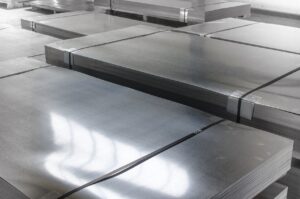
Definitive Guide to Stainless Steel Food Processing Suppliers
What Makes Stainless Steel the Preferred Material for Food Processing?
The food processing industry demands materials that withstand rigorous conditions while upholding strict hygiene standards. Stainless steel is the premier choice due to its unique combination of durability, safety, and resistance to harsh environments. From mixing tanks and conveyors to piping, fittings, work surfaces, and storage vessels, stainless steel supports nearly every stage of food production. Its performance helps processors protect product quality, simplify sanitation, and reduce the risk of contamination across daily operations.
The Unmatched Benefits of Stainless Steel
Stainless steel’s dominance is a result of superior performance across several critical areas:
- Corrosion Resistance: Chromium reacts with oxygen to form a self-healing passive layer. This barrier prevents rust and resists attack from food acids, salts, and cleaning chemicals.
- Hygiene and Bacteria Prevention: Its smooth, non-porous surface prevents food particles and microorganisms from becoming embedded, inhibiting bacterial growth and biofilm formation.
- Durability and Temperature Resistance: Stainless steel maintains structural integrity across extreme temperatures, from freezing to high-heat sterilization, and resists thermal shock without cracking.
- Non-Reactivity: It is inert and does not react with acidic or salty foods, ensuring the taste, color, and nutritional value of products remain untainted.
- Life-Cycle Cost Savings: While the initial investment may be higher, its longevity and low maintenance needs significantly reduce total cost of ownership.
These advantages make stainless steel especially valuable in facilities that must frequently clean and sanitize equipment. Repeated washdowns, steam exposure, and contact with ingredients such as dairy, brines, sugars, fruit acids, and sauces can quickly degrade less suitable materials. Stainless steel continues to perform under these demands, which is why it is so widely specified for food-contact and food-adjacent applications.
Understanding Stainless Steel Grades: 304 vs. 316 and Beyond
Specific grades are chosen based on environmental demands. All food-grade stainless steels contain at least 10.5% chromium to maintain the protective passive layer. In practice, selecting the right grade depends on the product being handled, the cleaning chemistry used, the operating temperature, and whether the environment contains chlorides or other corrosive agents.
304 Stainless Steel: The most common grade (18% chromium, 8% nickel). It offers excellent corrosion resistance for general food and beverage equipment, brewing, and dairy processing.
- For more details, see our guide on 304 Stainless Steel.
316 Stainless Steel: Contains 2-3% molybdenum, which enhances resistance to pitting and crevice corrosion. It is preferred for salty foods (seafood, brines), acidic products (citrus, tomatoes), and aggressive cleaning systems.
- For more details, see our guide on 316 Stainless Steel.
| Feature | 304 Stainless Steel | 316 Stainless Steel |
|---|---|---|
| Chromium/Nickel | 18-20% / 8-10.5% | 16-18% / 10-14% |
| Molybdenum | 0% | 2-3% |
| Corrosion Resistance | Good general resistance | Excellent (pitting/crevice) |
| Best For | General food/beverage | Salty/Acidic foods, CIP |
In many processing environments, 304 is more than sufficient and offers an excellent balance of cost and performance. However, when chloride exposure increases or sanitation cycles become more aggressive, 316 often yields better long-term results by reducing the likelihood of localized corrosion. That distinction can be important in piping systems, tanks, and components that are difficult or costly to replace.
Choosing the right grade is crucial. Learn more in our article on Choosing the Best Food Grade Stainless Steel.
Specialty Grades: For extreme conditions, Duplex Stainless Steels (like 2205) offer higher strength and resistance to stress corrosion, while Superaustenitic Grades (like 904L) are used in highly corrosive environments, such as soy sauce fermentation. These grades are typically reserved for demanding applications where standard austenitic stainless steels may not provide enough corrosion resistance or mechanical strength.
The Critical Role of Surface Finish and Hygienic Design
Surface smoothness is directly linked to cleanability. Rough surfaces provide microscopic nooks where bacteria can hide. In food processing, material selection alone is not enough; surface finish and equipment design strongly influence whether a system can be cleaned effectively and consistently.
- Recommended Ra Values: For food contact, 3-A Sanitary Standards recommend a maximum Ra of 0.8 µm (32 µin) to ensure effective sanitation.
- Types of Finishes:
- No. 4 Finish: A brushed finish widely used for food contact that typically meets 3-A standards.
- Electropolished Finish: An electrochemical process that removes a microscopic surface layer, resulting in an ultra-smooth, bright finish that maximizes hygiene and corrosion resistance.
Beyond finish, hygienic design also matters. Crevices, pits, undercut welds, and poorly drained areas can trap residue and moisture, creating conditions for bacterial growth. Well-designed stainless steel equipment helps facilities maintain sanitation standards by using smooth transitions, accessible welds, and surfaces that clean and drain properly. This is one reason food processors often evaluate finish, fabrication quality, and design details together rather than as separate considerations.

For processors specifying sheet, plate, bar, tubing, or custom-fabricated components, surface requirements should be identified early. Doing so helps ensure the final material is suitable for the intended product contact, washdown schedule, and regulatory environment.
For more on surface quality, see A Guide to Polishing Stainless Steel.
How Can Food Processors Ensure Optimal Performance and Compliance with Stainless Steel?
Maintaining compliance and performance requires a holistic approach to fabrication, maintenance, and sourcing. Even the right alloy can underperform if it is fabricated incorrectly, contaminated during handling, or exposed to cleaning practices that damage the passive surface. Food processors benefit most when material choice, equipment design, finishing, and ongoing maintenance are treated as parts of the same strategy.
Fabrication, Welding, and Maintenance Best Practices
- Avoid Contamination: Separate stainless steel fabrication from carbon steel to prevent iron particles from embedding in the surface, which causes rust. Use dedicated stainless tools.
- Welding Techniques: Shield welds from oxygen using inert gases to prevent “heat tint,” which depletes chromium. Use low-carbon grades like 304L or 316L to minimize sensitization during welding.
- Post-Weld Treatment: Pickling removes heat tint and scale, while Passivation restores the chromium-rich passive layer, maximizing corrosion resistance.
- Corrosion Prevention: Avoid high chloride exposure and chlorine-based sanitizers when possible. Ensure thorough rinsing and regular inspections to prevent microbiologically influenced corrosion (MIC).
Good maintenance practices are equally important after installation. Operators should routinely inspect food contact areas, weld seams, and hard-to-clean zones for discoloration, residue buildup, or early signs of pitting. Prompt cleaning and corrective action can help extend service life and reduce unplanned downtime. In many facilities, the most preventable stainless steel issues stem not from the alloy itself but from avoidable contamination, poor control of cleaning chemistry, or overlooked surface damage.
For guidance on joining, see How to Weld Stainless Steel.
Navigating Standards, Regulations, and Advanced Treatments
Compliance with industry standards is non-negotiable:
- FDA: Requires specific chromium levels (typically 16%+) for food contact surfaces.
- 3-A Sanitary Standards & EHEDG: Focus on hygienic design, requiring smooth surfaces (Ra < 0.8 um) and the absence of crevices.
- USDA & NSF: Provide certifications focusing on cleanability and material safety.
- Electropolishing: This advanced treatment is ideal for critical applications, reducing product adhesion and significantly improving hygiene by creating an ultra-smooth surface.
For critical applications, processors may also specify passivation or electropolishing to improve corrosion resistance and cleanability. These treatments can be especially useful in high-purity systems, aggressive clean-in-place environments, and equipment that handles sticky, acidic, or salt-rich products. Understanding which standards apply to a given process helps buyers and fabricators make better decisions about materials and finishes before production begins.
Strategic Sourcing and Sustainability
Choosing the right supplier ensures long-term value:
- Reliable Suppliers: Look for extensive inventory (304, 316, duplex), prompt delivery, and proper certification (EN 10204 3.1 Mill Test Certificates).
- Sustainability: Stainless steel is 100% recyclable. New products typically contain 60% recycled content, and their long service life reduces environmental impact and waste.
- Life-Cycle Value: While initial costs vary, the durability and reduced maintenance of stainless steel lead to a lower total cost of ownership.
Supplier support can make a meaningful difference when processors need help matching grades, finishes, and product forms to a specific application. Access to in-stock material, traceable documentation, and knowledgeable service teams helps reduce delays and lowers the risk of ordering material that is not appropriate for the environment. For food processors operating on tight schedules, dependable supply can be just as important as the material specification itself.
Atlantic Stainless is a nationwide supplier of high-quality stainless steel and high-temperature alloys. We provide the materials and expertise needed to ensure your food processing operations meet the highest standards of safety and efficiency. With a broad inventory, prompt delivery, and extensive industry experience, Atlantic Stainless helps customers source stainless steel products suited to demanding food-processing environments.
Learn more in our guide: What is Food Grade Stainless Steel? Guide to SS304.